Vital Knowledge for Budget Vehicle Care: Preserve Hours and Funds
Pinpointing cost-effective auto repair can be a demanding task for many motorists. With various options presented, it is essential to approach the undertaking thoughtfully. By studying local mechanics and recognizing car maintenance priorities, persons can avoid superfluous expenditures. There are also ways to tackle minor issues on their own. However, the path doesn't end there; exploring additional cost-saving methods can lead to even greater savings. What ideas might be worth considering next?
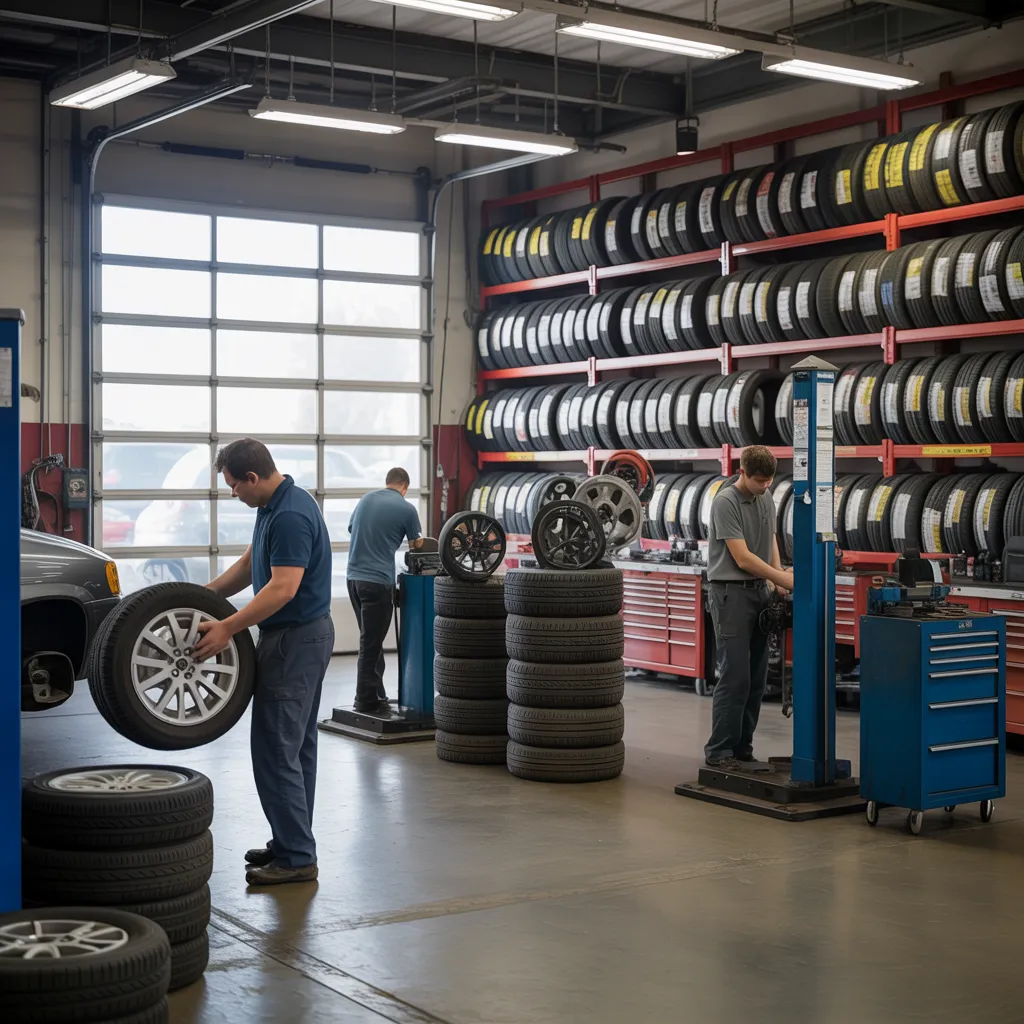
Search and Weigh Neighborhood Technicians
When looking for cost-effective auto repair, it is necessary to research and compare local mechanics to confirm the best value for service. A comprehensive investigation involves reviewing online reviews, ratings, and testimonials to assess the quality of service provided. Consumers should also ask about the certifications and experience of the mechanics, as this can profoundly affect the reliability of repairs.
Furthermore, acquiring estimates from multiple establishments offers understanding into the average costs for particular services. This analysis assists to identify any excessively priced or suspiciously low prices. Moreover, visiting technicians in face-to-face enables for a improved assessment of their expertise and client care, which are critical factors in building trust.
Ultimately, thorough investigation and analysis enable vehicle owners to make informed decisions, ensuring they choose a mechanic who offers both quality repairs and reasonable costs, thus reducing expenses in the future.
Get to know your vehicle's upkeep needs
How can vehicle owners guarantee their cars stay in optimal condition? Understanding a vehicle's maintenance needs is vital. Each car comes with a maker's service plan, specifying when particular maintenance should be performed. This schedule typically includes oil changes, tire rotations, brake inspections, and fluid replacements. Sticking with these recommendations helps avert costly repairs down the line.
In addition, owners should be aware of warning signs indicating possible issues, such as unusual noises or warning indicators. Regularly inspecting fluid levels, tyre inflation, and the condition of belts and hoses can also extend a vehicle's life expectancy.
Implement DIY fixes for minor problems
Comprehending a vehicle's maintenance needs sets the foundation for proper vehicle maintenance, while many small problems can be addressed through do-it-yourself fixes. For example, jobs such as changing windshield wipers, swapping out air filters, or refilling fluids can be easily managed by car owners. DIY repairs not only save money on labor costs but also enable people to develop a better comprehension of their vehicles.
Web-based materials, featuring tutorial videos and forums, provide valuable guidance for those unfamiliar with car maintenance. Basic tools, such as wrenches, screwdrivers, and pliers, are often sufficient for these straightforward repairs. Additionally, maintaining consistent upkeep of minor issues can stop them from progressing into more significant problems, ultimately prolonging the vehicle's lifespan. By implementing a DIY approach, car owners can effectively manage their maintenance needs while reducing expenses and improving their overall automotive knowledge.
Look for Sales and Special Offers
What approaches can car owners employ to reduce spending on repair costs? One practical solution is to seek out deals and promotions given by auto repair shops. Many businesses present seasonal sales, customer rewards programs, or referral incentives that can substantially reduce maintenance expenses. Car owners should also copyright for newsletters or follow social media accounts of local repair shops, as these often highlight special offers.
Furthermore, using online discount sites can uncover limited-time offers that can be used to repairs. Car owners may find that some manufacturers or parts suppliers provide rebates on specific services, which can additionally aid in cutting costs. By devoting the time to investigate and remain attentive about current promotions, car owners can save money while ensuring their vehicles remain in excellent condition. Overall, being proactive in pursuing discounts can lead in considerable savings on necessary auto repairs.
Document a Complete Maintenance Documentation
Maintaining a detailed record of vehicle maintenance is essential for car owners aiming to reduce maintenance expenses. By documenting every maintenance and fix, owners can track the vehicle's history, identifying trends that may indicate underlying issues. This record acts as a useful tool for mechanics, allowing them to determine appropriate actions about necessary repairs and maintenance schedules.
Regular records including oil service, tire rotations, and brake checks help guarantee that the car remains in peak condition. Additionally, maintaining a log can help in warranty claims, as it shows compliance to the recommended service schedule from the manufacturer.
Furthermore, a thorough documentation can supply leverage when negotiating repair costs, as it exhibits proactive maintenance efforts. Ultimately, maintaining an organized maintenance record not only enhances your car's lifespan but also enables owners to make better economic choices regarding their auto repair needs.
Common Queries Posed Often
What Approaches Should I Take to Locate a Dependable Mechanic?
To find a trustworthy technician, one should ask for referrals, check ratings, review certifications, and assess facility condition. Having frank discussions about costs and repairs also encourages honesty and creates faith in the technician's work.
What Are Well-Known Warnings My Car Could Benefit From Work?
Indicators that a car needs maintenance include unusual noises, warning lights on the dashboard, poor performance, fluid leaks, and changes in handling or braking. Addressing these issues promptly can prevent further damage and higher repair costs.
Would Original Parts or Aftermarket Parts Be the Best Choice?
Using factory-made parts confirms dependable operation and consistency, while aftermarket parts may deliver financial advantages. The choice depends on individual needs, budget, and the find the information particular work, comparing enduring benefits against direct outlays for wise selections.
How Can I Handle Disputes Involving a Repair Shop?
To manage disagreements with a service center, one should document all communications, collect proof, and distinctly express issues. If necessary, escalating the issue to leadership or seeking arbitration can help settle conflicts successfully.
What Makes up the Standard Cost of Routine Fixes?
The typical expense of common auto maintenance fluctuates significantly. For example, brake pad replacement usually costs from $150 to $300, while engine analysis may cost between $100 and $200, depending on the vehicle and location.